
Are You Neglecting the Proper Eye Health Care You Need?
Our eyes are essential to how we experience and interact with the world, yet eye health is one of the most commonly neglected areas of personal wellness. In today's fast-paced environment, it is easy to skip routine eye examinations or overlook early warning signs of deterioration until a problem becomes impossible to ignore. Taking a proactive and comprehensive approach to eye care — from regular exams and smart nutrition to protective habits and lifestyle adjustments — makes a meaningful difference in preserving vision over the long term.
Schedule Regular Eye Examinations
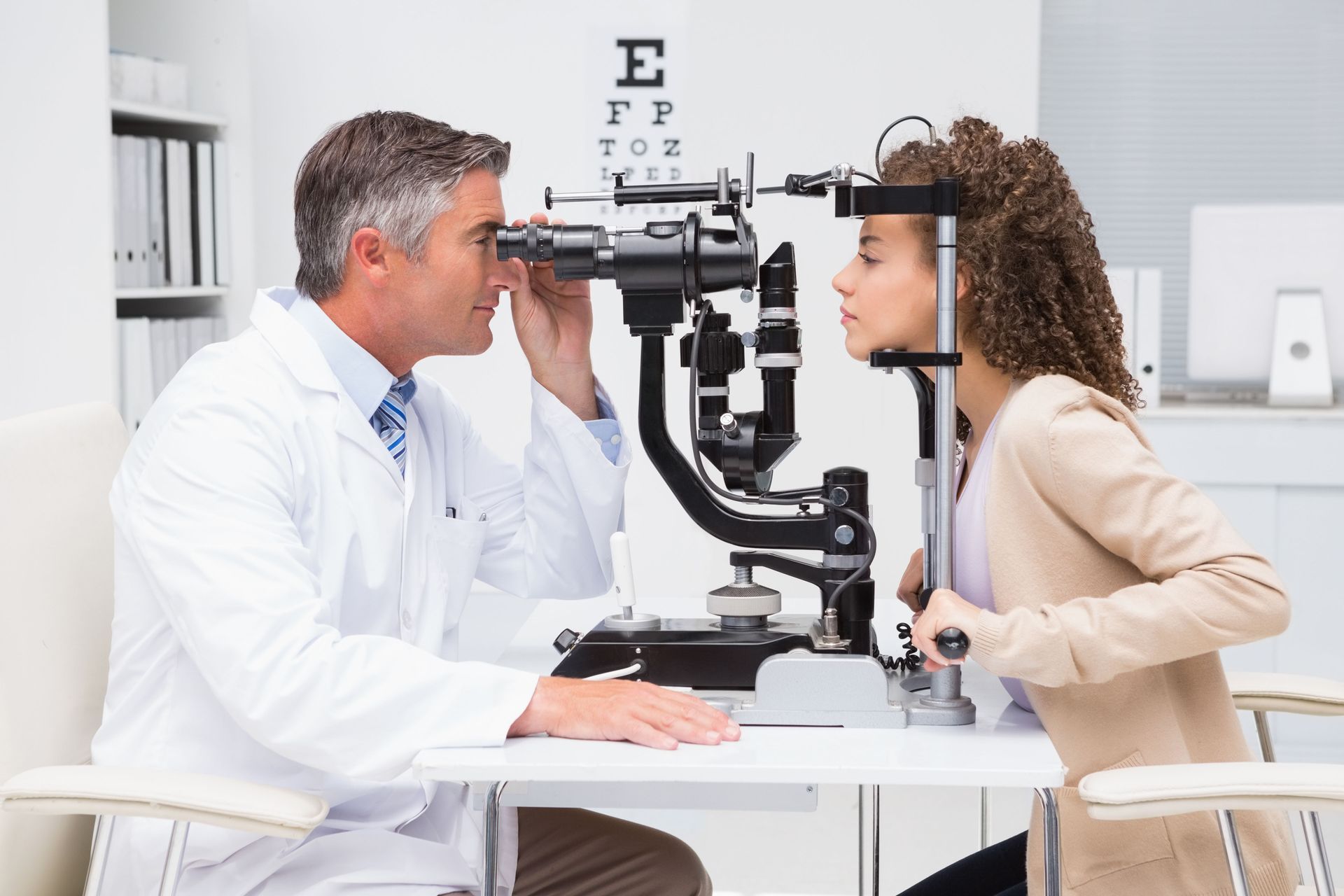
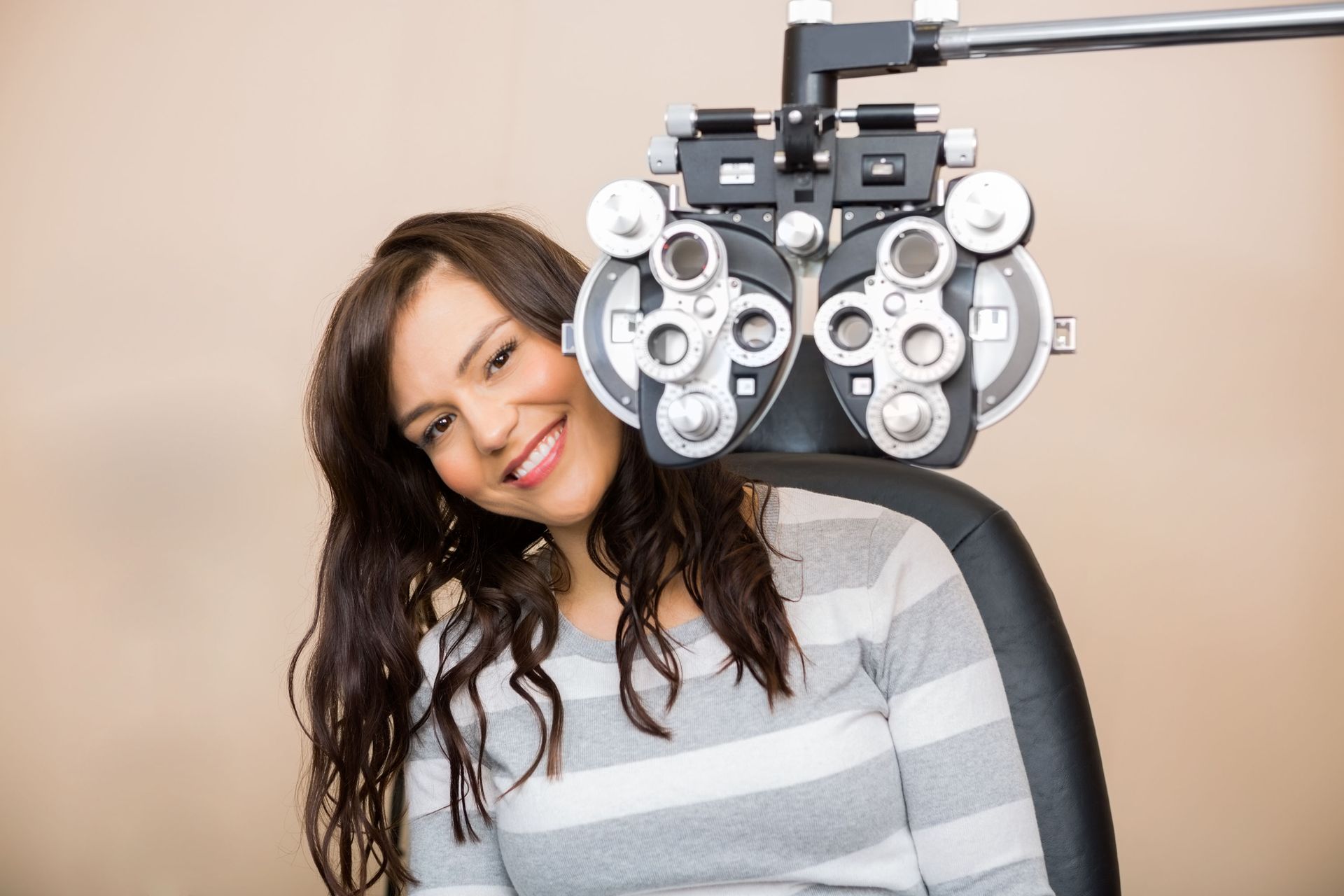
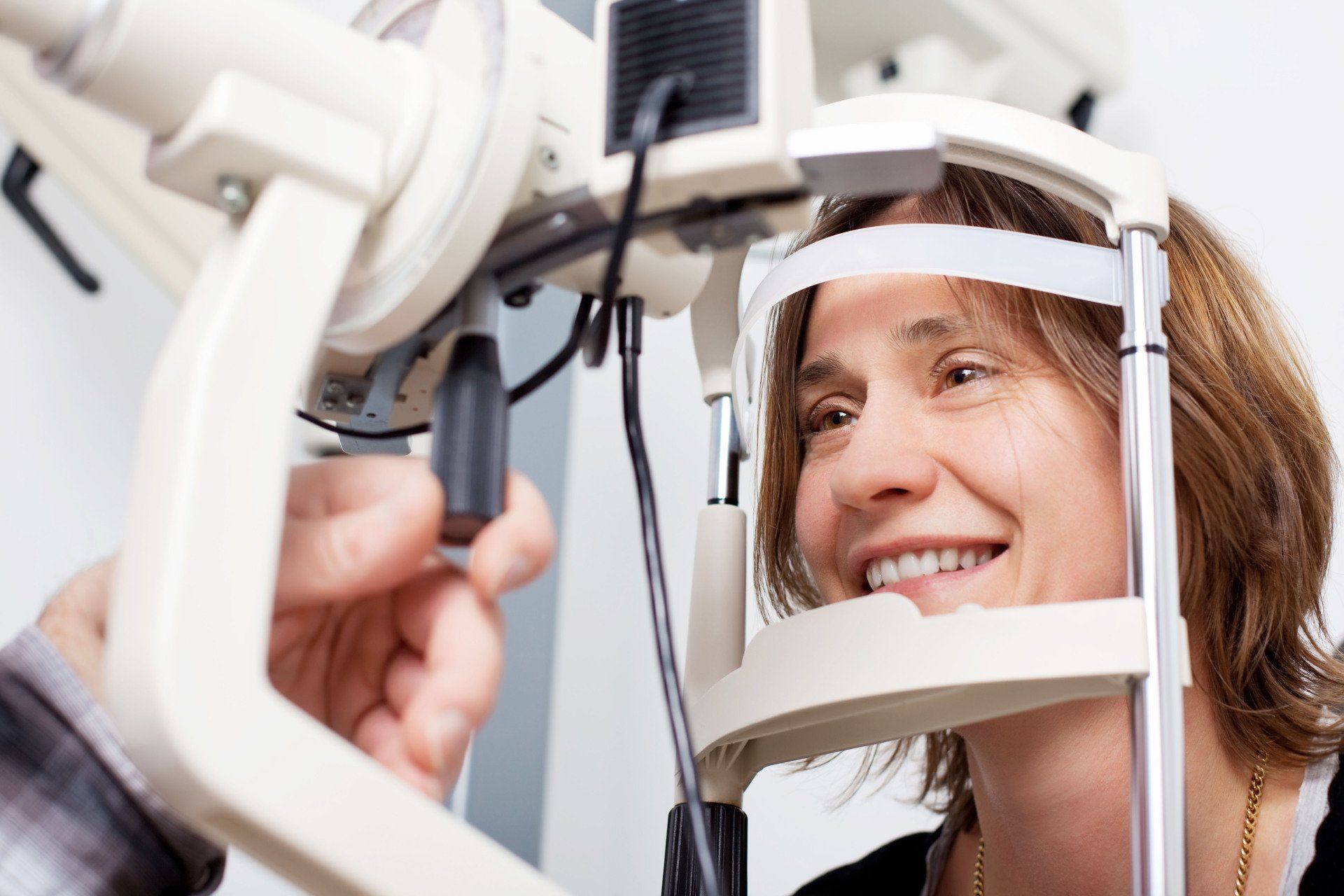
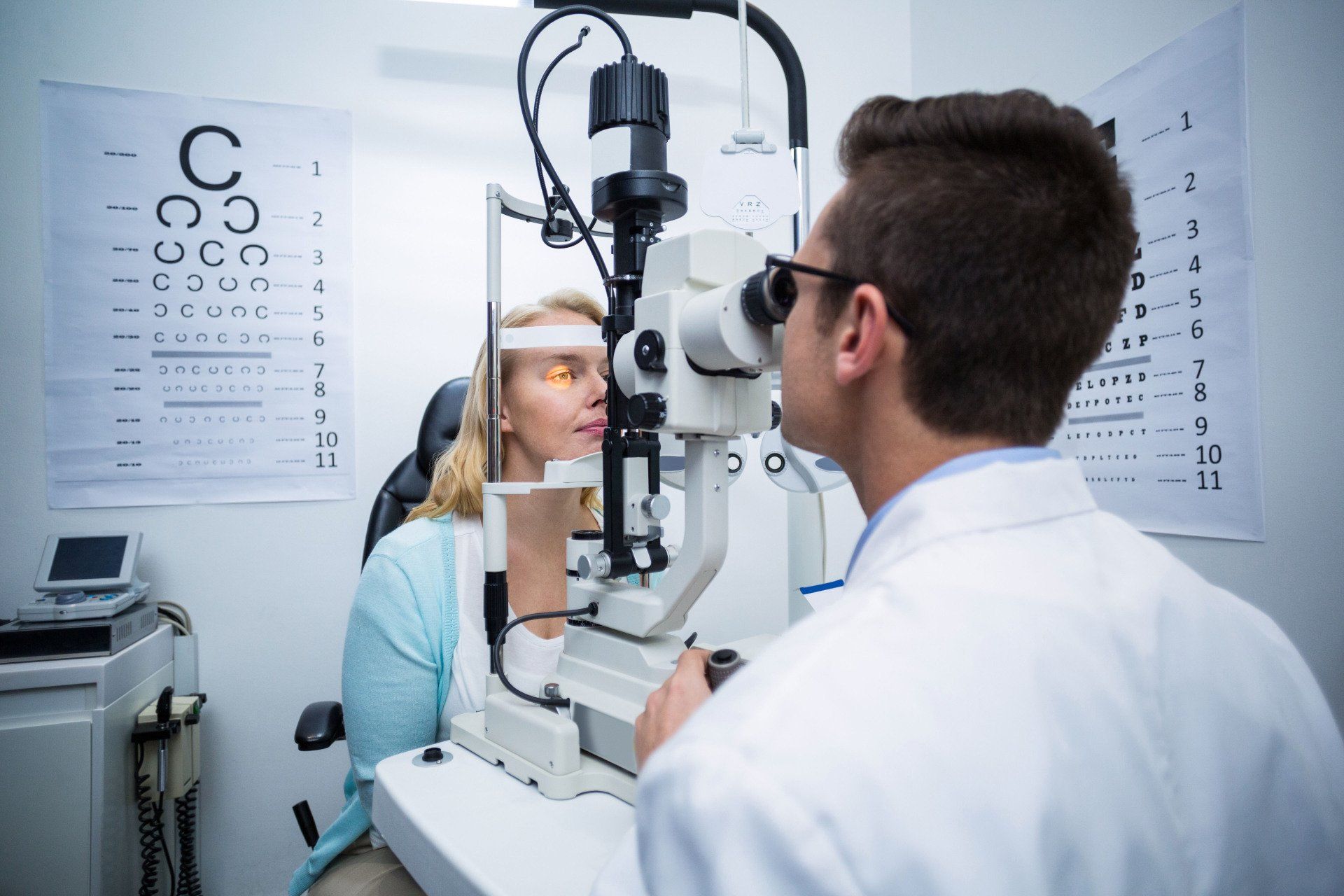
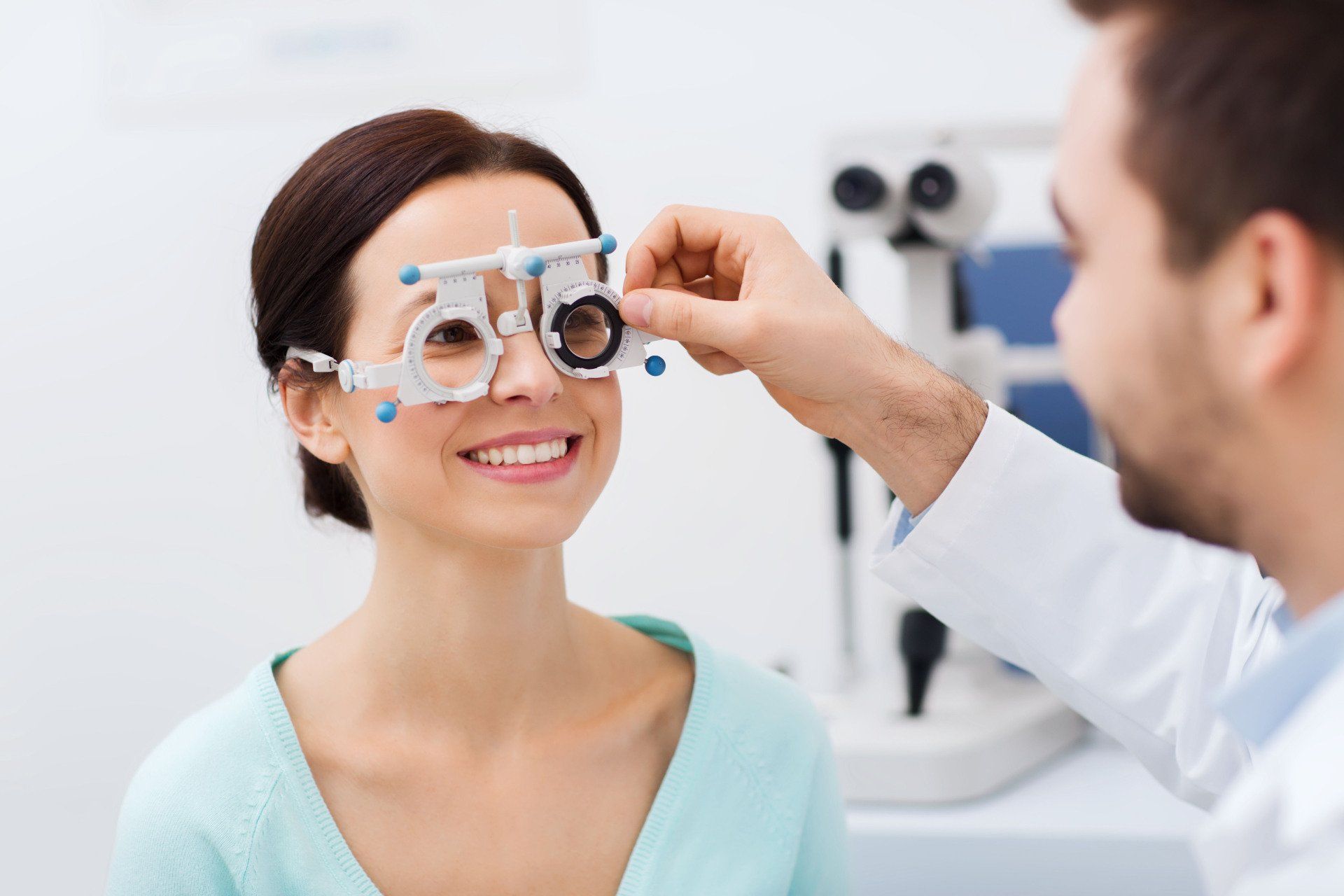
Routine eye examinations are one of the most important steps anyone can take to protect their vision and overall health. An optometrist is trained to detect conditions like glaucoma, diabetic retinopathy, and macular degeneration in their earliest stages, often before any noticeable symptoms appear. Beyond eye health, an exam can also reveal early signs of systemic conditions such as diabetes and high blood pressure, making regular visits to optometrists a valuable component of broader health surveillance.
Many people, particularly younger adults, assume that skipping eye appointments is harmless if they are not experiencing obvious problems. According to Aetna, individuals between the ages of 20 and 39 who have no existing eye conditions should visit an eye doctor every five years at a minimum. This schedule ensures that any developing issues are identified and addressed before they worsen. Optometrists provide personalized guidance based on individual health history and risk factors, helping patients understand what to watch for between visits. Building a consistent relationship with an eye care professional creates continuity of care that pays dividends in long-term vision health.
Protect Your Eyes in the Digital Age
Increased screen time is one of the defining challenges of modern eye health, and its effects should not be underestimated. Prolonged exposure to digital screens frequently leads to computer vision syndrome, a condition marked by dryness, discomfort, blurred vision, and fatigue. Optometrists recommend the 20-20-20 rule as a simple and effective strategy: for every 20 minutes of screen use, look at something 20 feet away for at least 20 seconds. This brief but deliberate pause helps reset the eyes and reduce accumulated tension throughout the day.
Optimizing your workspace is equally important for minimizing digital eye strain over time. Positioning screens at an appropriate distance and height, reducing glare with matte filters or adjusted brightness settings, and ensuring adequate ambient lighting all contribute to greater eye comfort during extended work sessions. Blue light blocking glasses have also gained popularity as a practical tool for individuals with significant screen exposure, helping to reduce glare and filter potentially disruptive light wavelengths.
Support Eye Health Through Nutrition
What you eat has a direct impact on the health of your eyes, and a well-rounded diet is one of the most accessible tools for long-term vision protection. Vitamins A, C, and E each play distinct roles in maintaining eye function, from supporting low-light vision to protecting eye structures against oxidative damage caused by free radicals. Foods rich in these vitamins — including leafy greens, citrus fruits, nuts, and colorful vegetables — provide a strong nutritional foundation for ocular health.
Omega-3 fatty acids, found in foods like salmon, walnuts, and flaxseeds, support tear consistency, reduce inflammation, and may lower the risk of age-related macular degeneration and dry eye syndrome. Staying well hydrated is another often-overlooked factor, as adequate fluid intake supports tear production and keeps the eyes comfortably lubricated throughout the day. On the other side of the equation, diets high in saturated fats, processed foods, and excess salt can contribute to inflammation and increase the risk of conditions like hypertensive retinopathy.
Understand and Manage Common Eye Conditions
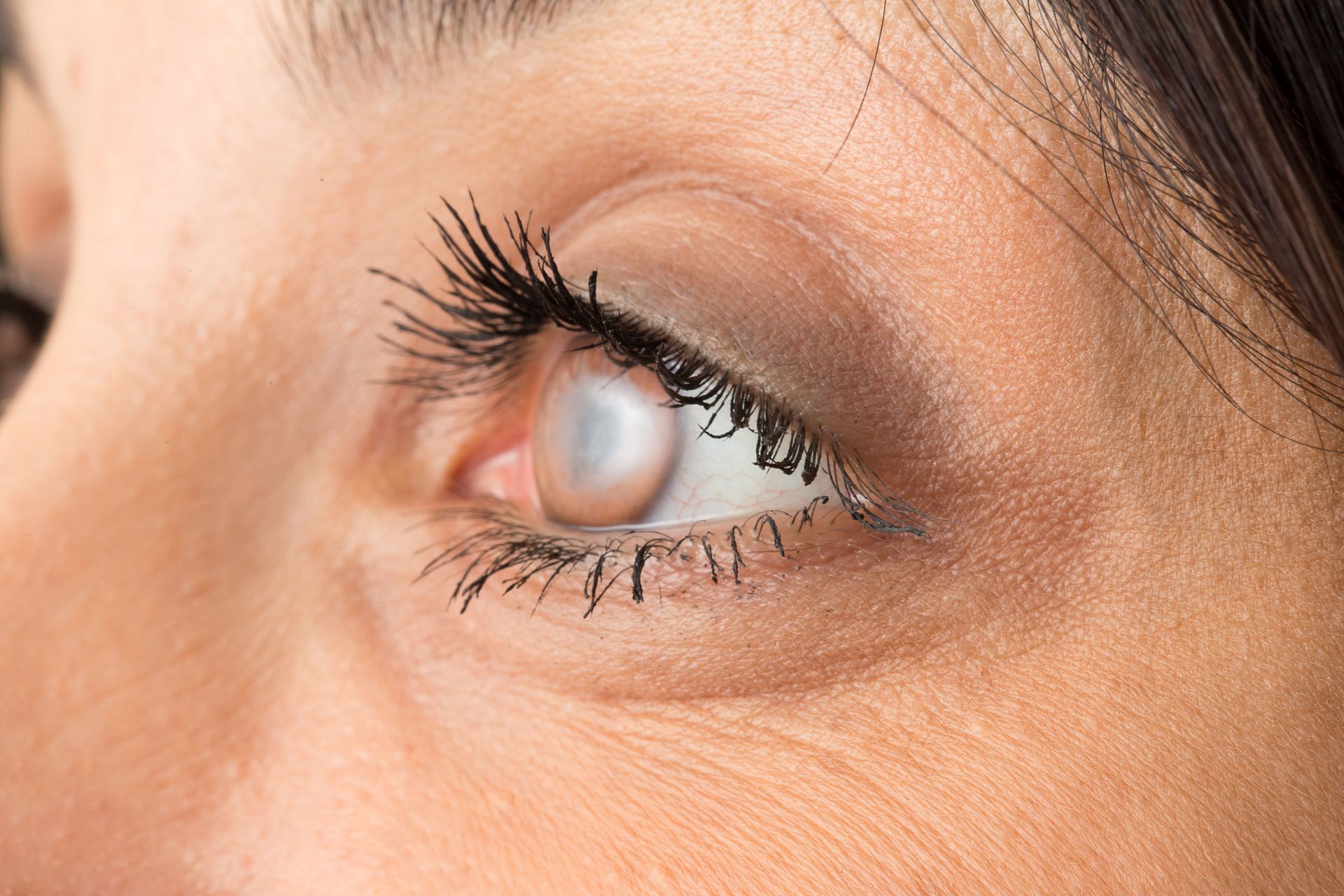
Awareness of common eye conditions and their symptoms is essential for seeking timely help from optometrists before problems advance. Glaucoma, often called the silent thief of sight, can cause gradual and irreversible vision loss with very little warning, making regular monitoring especially critical. Cataracts develop slowly over time, clouding the lens and progressively impairing vision until everyday tasks become difficult. Age-related macular degeneration presents as blurriness or blank spots in central vision, a symptom that should prompt an immediate professional evaluation. Dry eye syndrome, one of the most widespread complaints among patients, can often be effectively managed through a combination of artificial tears, dietary adjustments, and lifestyle modifications recommended by an optometrist.
Refractive errors such as myopia, hyperopia, and astigmatism are among the most common reasons people seek vision correction, and the options for addressing them have never been more varied or effective. Glasses and contact lenses remain the most widely used solutions, while surgical options like LASIK offer a more permanent correction for those who qualify. As individuals age, presbyopia — a gradual decline in near-focusing ability — becomes increasingly common and can be managed with updated prescriptions and appropriate visual aids. Working closely with optometrists to monitor these changes and adjust treatment plans accordingly ensures that vision remains as clear and comfortable as possible at every stage of life.
Wear Protective Eyewear Consistently
Protective eyewear is a straightforward and highly effective measure that is frequently overlooked in daily life. Sunglasses with full UVA and UVB protection are essential whenever spending time outdoors, shielding the eyes from ultraviolet radiation that contributes to cataracts, macular degeneration, and other serious conditions. This protection is just as important on overcast days as it is in bright sunlight, since UV rays penetrate cloud cover. Optometrists can help patients select sunglasses that offer both adequate protection and the correct prescription if needed.
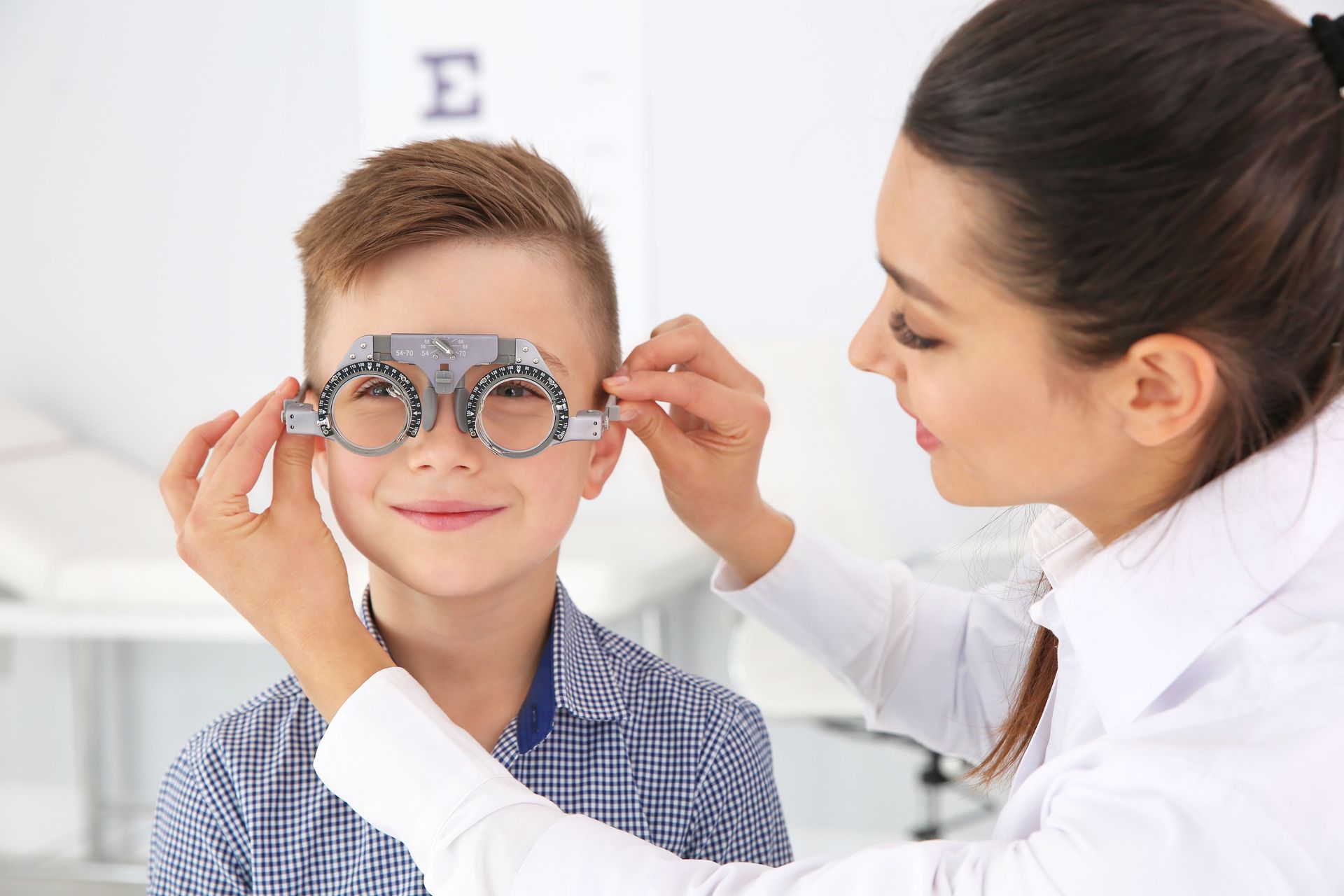
During sports and physical activity, impact-resistant goggles or protective eyewear significantly reduce the risk of injuries from collisions, flying objects, or environmental hazards. In the workplace, employees in environments involving chemicals, debris, or machinery should consistently use appropriate safety eyewear to prevent occupational injuries. Prescription safety glasses provide the added benefit of combining vision correction with built-in protective features, offering a practical solution for those who need both. For children, educating them early about the importance of eye protection during sports and play creates lifelong habits that support lasting visual health.
Make Lifestyle Choices That Support Vision
Lifestyle choices have a profound influence on eye health, and several everyday habits either protect or undermine long-term vision. Smoking is one of the most significant modifiable risk factors for serious eye conditions, including cataracts and macular degeneration, as the chemicals in tobacco accelerate oxidative damage to eye tissues. Quitting smoking is one of the most impactful steps a person can take to reduce their risk of vision-threatening disease. Regular physical activity supports eye health by improving circulation, reducing intraocular pressure, and contributing to better control of blood pressure and blood sugar levels that directly affect the eyes.
Quality sleep is equally important, as inadequate rest reduces tear production, causes eye strain, and, over time, can compromise overall visual function. Good hygiene practices — such as properly cleaning contact lenses, avoiding touching the eyes with unwashed hands, and removing makeup before sleep — minimize the risk of infections and irritations that can escalate if left unaddressed. Managing chronic stress through mindfulness, exercise, and intentional relaxation strategies also helps reduce physical symptoms like eye strain and twitching that can diminish visual efficiency. Together, these lifestyle choices form the behavioral foundation that optometrists consistently recommend for maintaining healthy eyes well into the future.
Protecting your eye health requires an ongoing commitment to regular professional care, smart nutrition, protective habits, and mindful lifestyle choices. Each of the strategies outlined here contributes to a comprehensive approach that keeps vision strong and reduces the risk of preventable conditions. If you are ready to take your eye health seriously and get the professional care you deserve, contact us at Hemet Optometric Center today. We will help you build a personalized eye care plan that supports your vision and well-being for years to come.






Share On: