
Is Your Job Hindering Your Vision?
In today's digital age, the connection between job roles, work environments, and vision health is becoming increasingly significant. As employees spend more time in front of screens or performing tasks that strain their eyes, understanding the potential impact on vision is crucial. Recognizing the influence that working conditions have on vision health can guide both individuals and employers to implement necessary actions. The following sections delve into these issues and suggest strategies for maintaining optimal vision health in the workplace.
Recognizing the Importance of Vision in the Workplace
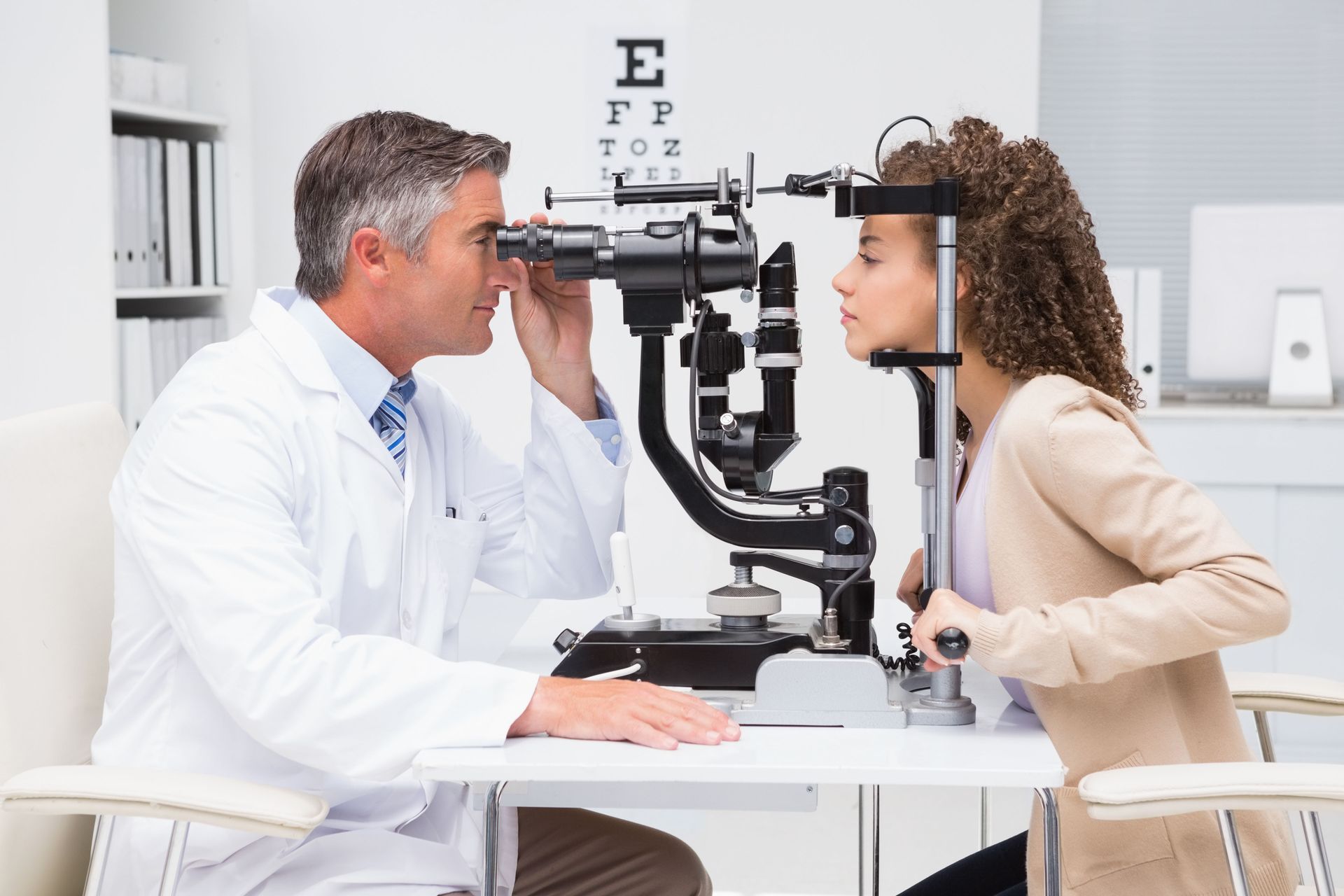
Vision is essential for effective workplace performance. Many tasks rely on sharp, sustained focus, particularly in office, education, or technological environments where employees spend extended periods in front of screens. Clear vision influences speed, accuracy, and efficiency, directly affecting overall productivity. Companies should acknowledge the role of proper vision care as a key factor in supporting success and growth. Encouraging regular eye exams ensures employees maintain optimal visual acuity and focus throughout the workday.
Modern workplaces present several vision-related challenges. Common issues include digital eye strain, headaches, and blurred vision. According to CBS News, the average worker spends 1,700 hours a year in front of a computer screen, illustrating the scale of the problem. Such prolonged exposure can lead to discomfort and potentially more severe conditions if left unaddressed. Scheduling routine eye exams can detect early signs of these issues, allowing for timely intervention and healthier eyes.
Vision health directly impacts workplace safety, particularly in jobs requiring precision. Poor vision can contribute to accidents in industries such as manufacturing, construction, and healthcare. Impaired eyesight reduces an employee's ability to notice hazards or follow safety protocols effectively. Regular vision screenings and protective eyewear are crucial in preventing workplace incidents. Ensuring proper eye care strengthens safety measures and promotes overall well-being among staff.
Identifying Vision Risk Factors in Your Job
Digital eye strain is increasingly common due to extended screen use. With more employees relying on remote work and digital communication, prolonged computer use is standard. Symptoms include dryness, irritation, and difficulty focusing, which can affect comfort and productivity. Implementing strategies like the 20-20-20 rule can reduce strain. Eye exams help detect underlying conditions contributing to discomfort, supporting long-term eye health.
Poor lighting in the workplace forces the eyes to work harder, causing fatigue and discomfort. Both insufficient and excessive brightness can interfere with vision and concentration. Assessing office lighting and incorporating natural light or adjustable fixtures improves visual comfort. Proper lighting paired with routine eye exams ensures employees can maintain healthy vision while working efficiently. Implementing these changes also contributes to a more productive and comfortable work environment overall.
An improper ergonomic setup can negatively impact vision. Incorrect screen height or distance requires excessive eye adjustments, causing fatigue and discomfort. Adjustable chairs and monitor stands promote proper viewing angles and alleviate strain. Combining ergonomic improvements with regular eye exams supports visual wellness and prevents long-term eye problems, making workplaces healthier for employees. Paying attention to ergonomics also enhances overall posture and reduces musculoskeletal issues in the office.
Addressing Common Vision Problems From Work
Computer Vision Syndrome (CVS) results from prolonged exposure to digital screens. Symptoms include eyestrain, headaches, blurred vision, and neck or shoulder pain. Taking frequent breaks, following screen-time guidelines, and scheduling eye exams can help mitigate CVS. Early detection through routine checkups is essential to maintaining healthy vision and avoiding chronic discomfort.
Dry Eye Syndrome often occurs in employees who spend hours at a screen. Reduced blinking leads to insufficient tear production, causing itching, burning, and redness. Awareness of this condition allows for timely remedies, such as artificial tears and humidity control in the office. Eye exams can evaluate tear production and identify underlying causes, ensuring proper treatment and symptom relief.
Eye injuries are more common in high-risk professions such as construction, manufacturing, and laboratory work. Protective eyewear and safety protocols are vital for preventing accidents. Employers must provide suitable equipment and enforce proper usage. Regular training, combined with vision screenings, ensures employee safety and reduces the likelihood of eye injuries.
Implementing Strategies for Vision Protection
The 20-20-20 rule is a simple yet effective method for reducing digital eye strain. It advises looking at an object 20 feet away for 20 seconds every 20 minutes. Adhering to this rule helps relax eye muscles and decrease fatigue. Promoting this practice, along with regular eye exams, supports long-term vision health and workplace comfort.
Blue light-blocking glasses and anti-glare screen filters help reduce digital eye strain. These tools are especially beneficial for employees who spend long hours in front of computers. Incorporating these aids, along with regular eye exams, can maintain visual comfort and improve concentration. Customized adjustments on electronic devices further enhance protection for individual needs.
Proper lighting reduces glare and minimizes eye fatigue. Adjustable desk lamps, blinds, and optimized office lighting contribute to a comfortable viewing experience. Eye exams complement these changes by monitoring visual health and identifying any strain-related issues early. A well-lit and ergonomically designed office enhances employee productivity and overall eye wellness.
Encouraging Vision Health Through Employer Initiatives
Employers can enhance eye health by encouraging breaks and exercise. Simple eye exercises relieve tension and improve circulation, reducing fatigue. A workplace culture that supports regular breaks contributes to both employee wellness and productivity. Routine eye exams complement these practices by ensuring potential issues are identified and addressed promptly.
Vision care benefits, including regular eye exams, are key to maintaining employee eye health. Early detection of vision problems can prevent long-term complications. Incorporating these benefits into employee plans supports preventative care and demonstrates a commitment to health. Regular exams, offered through benefit programs, reinforce the importance of proactive vision care.
Workspaces that prioritize eye health include ergonomic layouts, adjustable equipment, and suitable lighting. Allowing employees to personalize their environment supports visual comfort and efficiency. Combining thoughtful design with regular eye exams ensures employees maintain healthy vision while performing their tasks effectively. These measures create a safer and more productive work environment.
Leveraging Technology for Better Vision Care
Eye-tracking technology monitors visual behavior and identifies patterns related to screen exposure. This data helps develop strategies to reduce eye strain and improve visual habits. Employers can utilize these insights to optimize workplace ergonomics and enhance employee eye health. Eye exams remain an essential complement, ensuring any detected concerns are addressed with professional care.
Modern screens with low-blue light emission and flicker-free technology reduce digital eye strain. Upgrading office monitors and devices improves visual comfort and safety. These advancements, paired with routine eye exams, maintain overall eye wellness in tech-heavy work environments. Investing in better screens supports both employee health and workplace efficiency.
Smart office designs incorporate natural light, adjustable workstations, and ergonomic furniture to reduce visual stress. Automated environmental adjustments further support individual needs. Integrating these features helps protect employees' vision while enhancing overall productivity. Combining innovative office design with regular eye exams ensures employees sustain optimal vision health in modern workplaces.
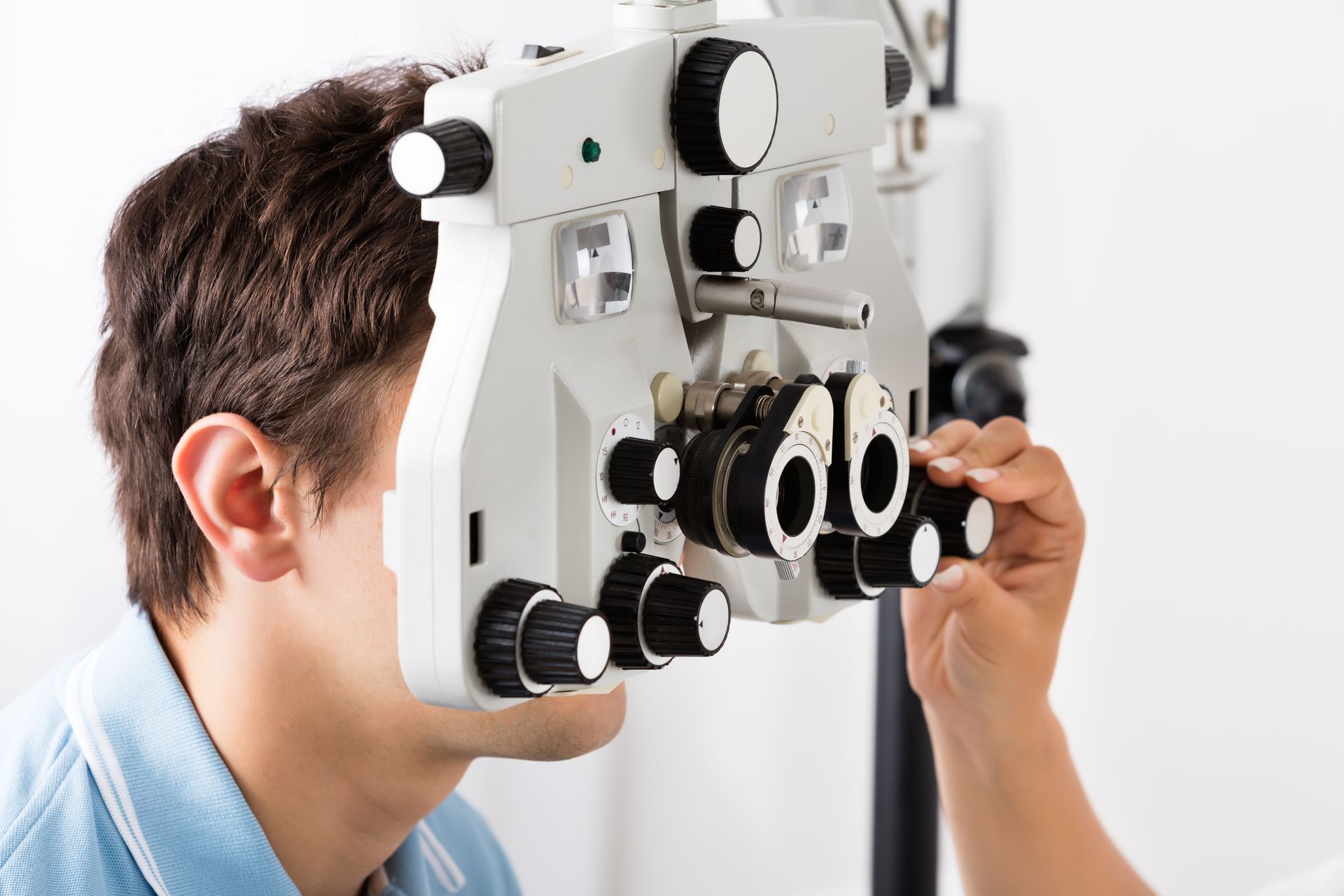
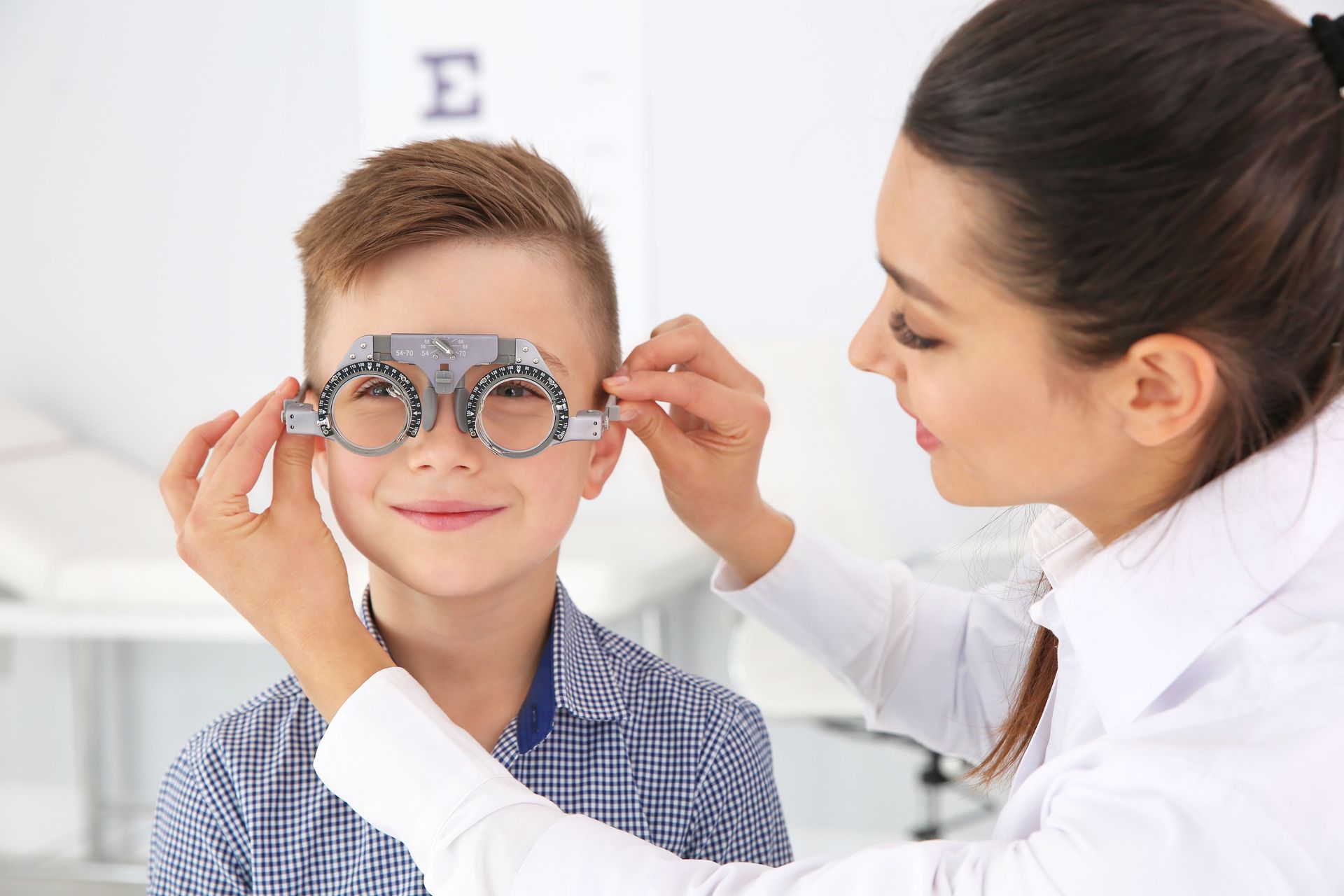
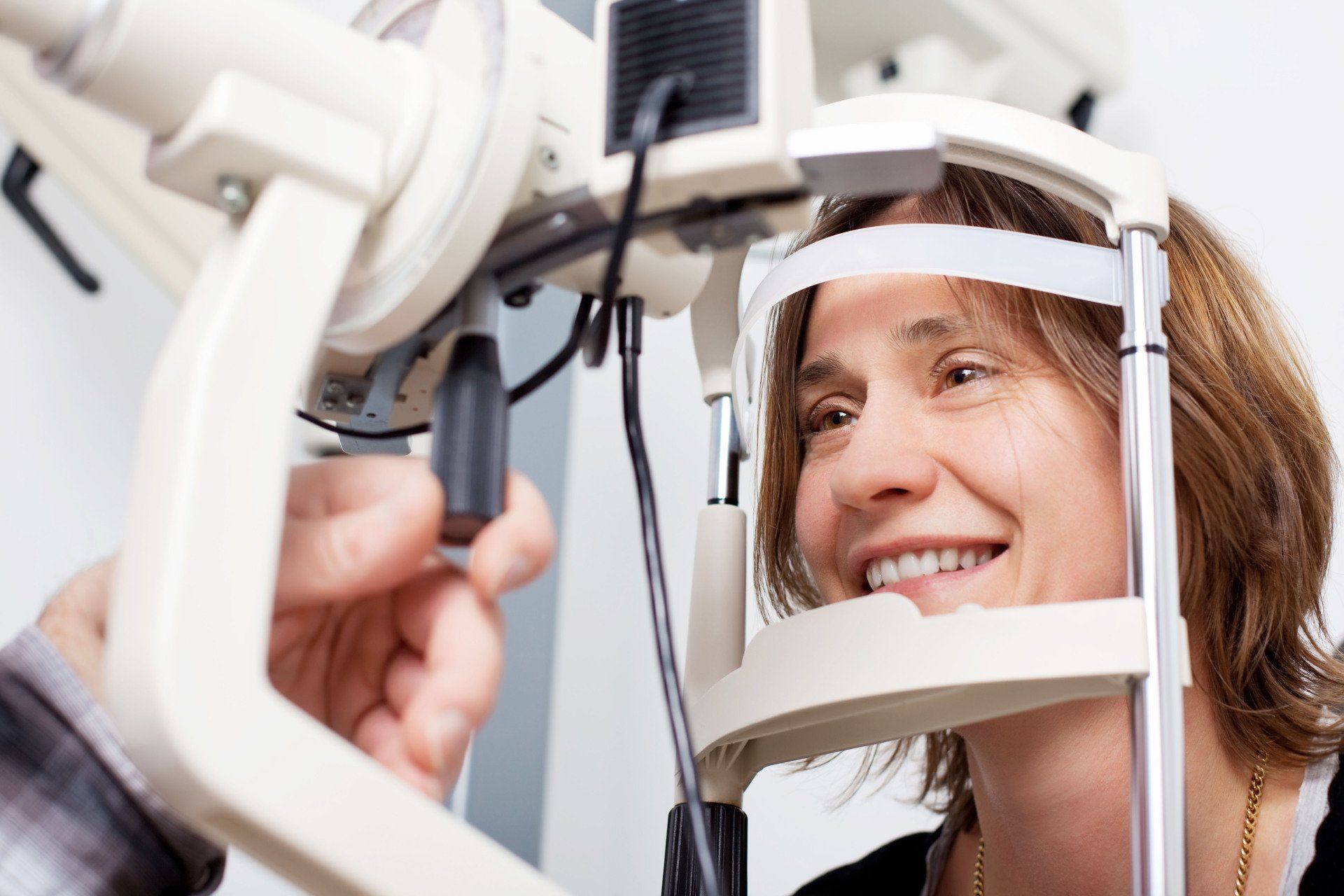
As work environments continue to evolve, understanding their impact on vision is increasingly important. Individuals and employers can take proactive steps to safeguard eye health through ergonomic adjustments, regular breaks, and eye exams. Routine eye exams are essential for detecting vision changes early and preventing complications. By incorporating these strategies and leveraging technology, employees can maintain visual comfort and productivity. Take the first step toward healthier vision by scheduling your next eye exam at Hemet Optometric Center.









Share On: